Tenant, owner, second home, student: your property, your belongings and your family protected against everyday mishaps (water damage, theft, fire, weather, personal liability). In France this policy is called multirisque habitation, or MRH for short.
Buildings and contents coveredFire, water damage, theft, vandalism, storms and natural disasters. Your walls, your furniture and your valuables are protected.
Personal liability includedCovers the damage you, your children or your pets may cause to someone else, at home and out and about. High limits as standard.
Compulsory for tenantsLaw of 6 July 1989: every tenant must hand the landlord a certificate of insurance when moving in and at each renewal of the lease.
Cover built to fitGarden, swimming pool, bicycle, musical instruments, portable devices, school insurance, legal protection, 24/7 assistance.
What is your profile
A policy for every situation
Home insurance follows your status as an occupier. The cover that matters most and the price differ noticeably between a flat tenant and a house owner with a garden.
Tenants, students and flatshares
Compulsory to live in your home
Home insurance is compulsory for every tenant in France (law of 6 July 1989). At the very least it covers the tenant risks: what you could damage in the property (fire, water damage, explosion). A full policy also covers your own belongings and your personal liability. For small properties (studio, room, flatshare) a dedicated policy offers a calibrated premium and the essential cover, which landlords usually ask for on the day you move in.
Most common
Owner-occupier
Recommended, compulsory in a condominium
You live in the property you own. Insurance is only legally required in a condominium (Loi Alur 2014, minimum liability cover), but it is strongly recommended everywhere else: your property is usually your main asset.
Second home
For the family or holiday house
A second home carries specific risks: long periods standing empty, outdoor features such as a pool or garden, exposure to weather events. A dedicated policy covers those particularities.
If you are a landlord (you let the property to a tenant), what you need is non-occupying owner insurance, on top of the home insurance your tenant takes out.
Our process
How does it work?
Four simple steps, no pressure, no commitment.
01
You fill in the form
Allow 5 minutes. No commitment, no fees.
02
We get back to you within 24h
By phone, email or WhatsApp, whichever you prefer.
Certificate straight away, cancelling the old policy handled by us.
Quote within 24h
Get your best home insurance quotes
The full questionnaire the insurers expect, for a firm quote with no back and forth. Personal comparison across more than 30 companies, no commitment, no fees.
Step 1 / 157 %
Flat or house?
This is the first question every home insurance rating engine asks.
Isolation changes the fire risk and how long the fire brigade takes to arrive.
You occupy this property as?
Your status decides what has to be insured: the building, the contents, or both.
How is the property used?
A second home and a property that is let are not rated the same way.
Where is the property?
Insurers rate by address: flood zone, seismic zone, local claims frequency and crime rate.
How many main rooms?
Insurers count rooms over 9 m², not floor area. Kitchen, bathroom, WC, hallways, storage rooms and landings do not count.
Breakdown by room size: large rooms are counted differently from one insurer to the next.
All levels added together, outbuildings and garage included.
The construction
The share of solid materials is the first acceptance criterion in home insurance.
Stone, brick, concrete, breeze block.
Tiles, slate, concrete, steel sheeting.
Outbuildings and outdoor features
These are insured separately and trigger dedicated options.
Some insurers limit the cover below 22 m².
Wood heating
Stoves, inserts and open fireplaces are the leading cause of house fires: insurers want the details of the installation.
Theft protection
The level of locking decides whether theft cover is accepted and how large the excess is.
Occupancy of the property
A property left empty several months a year is not covered like one lived in all year round.
Does the property have any of these particularities?
Several answers possible. None of them rules cover out, but each one points to a different insurer.
The household
Your date of birth feeds the premium calculation. Category 1 and 2 dogs fall under a specific liability cover.
Attack dogs not entered in a pedigree register.
Guard and defence dogs entered in a pedigree register.
Insurance history
Insurers check these declarations against your previous policy. Leaving them out can void the contract.
One more step, you are almost there
What you want to cover
Nothing is fixed: these answers frame the quote, we will fine-tune them together.
The replacement value of everything you would take with you when moving: furniture, appliances, clothes, electronics.
Options you want (several answers possible)
Your contact details
Quick reply by email and phone. Your data is only passed to the insurers we approach (GDPR).
How would you prefer to be contacted? *
Request sent
Thank you! Here is what happens now:
1
Within a few hoursOur team gets in touch to refine what you need.
2
Within 24hPersonal comparison across 30+ partner companies.
3
Right afterYou receive your tailored offer and can take out the policy.
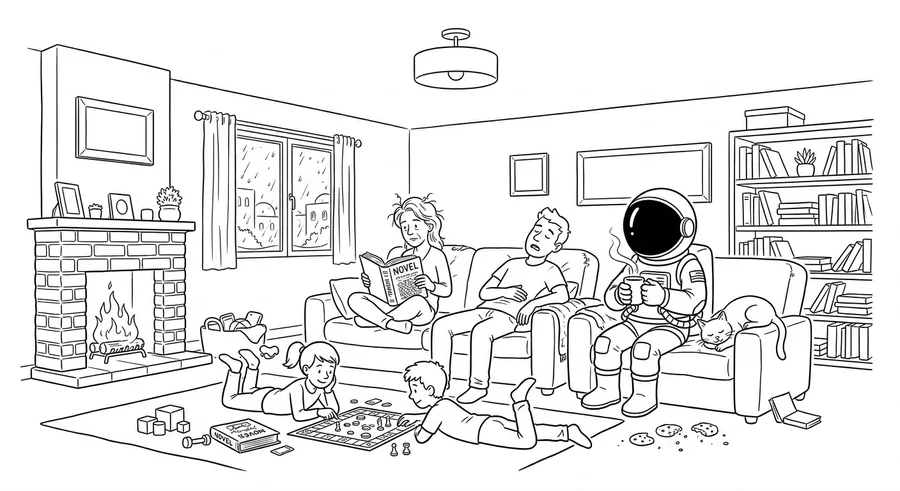
A quiet Sunday is also the quiet work of good home insurance.
Frequently asked
Everything about home insurance in France
Is home insurance compulsory in France?
For tenants, yes: the law of 6 July 1989 requires the tenant to produce a certificate of multirisque habitation insurance when moving in and at every renewal of the lease. For owner-occupiers in a condominium, the Loi Alur of 2014 requires a minimum liability cover. For owner-occupiers of a detached house there is no legal obligation, but going without insurance leaves you carrying fire, water damage and liability claims in full, which is very rarely a sensible trade.
What does a standard French home insurance policy cover?
The standard cover includes: personal liability (you, your household, your pets), liability as occupier or as owner of the building, fire and related perils (lightning, explosion, smoke), water damage, weather events (storm, hail, snow), natural and technological disasters, theft and vandalism, glass breakage, and cover while on holiday. Available as options: valuables, electrical damage, garden, swimming pool, musical instruments, portable devices, school insurance, legal protection and 24/7 assistance.
How do I value my contents for insurance?
Go room by room and estimate the cost of replacing everything as new: furniture, appliances, electronics, clothes, tableware, books, decoration. List valuables separately (jewellery, art, musical instruments, high-end technology), as they are often capped or need to be declared individually. Most policyholders underestimate their contents and end up underinsured when a large claim happens. Helping you set that figure realistically is part of our job.
What happens after water damage?
You report the claim to your insurer within 5 working days. If the damage affects a neighbour (above, beside or below you), you fill in a constat amiable de dégât des eaux together. The IRSI convention then decides which insurer handles the claim, depending on its origin and its size. Most everyday water damage claims are settled quickly and without you having to pay the large items up front. As your broker, we also handle the claim with you.
Can an insurer refuse to cover me?
Yes, for several reasons: too many claims in your history (usually more than 3 in 36 months), cancellation by your previous insurer, a property considered risky (poor condition, professional activity on site, listed building, mobile home, yurt), a risky location, or a shop in the building. If one of those applies to you, insurers specialised in aggravated risks do exist. Finding a solution when the mainstream companies say no is precisely what we do.
What is the difference between indemnity value and new-for-old?
On an indemnity basis the insurer settles after deducting wear and tear: a sofa bought for 2,000 € ten years ago may be settled at only 500 € once the depreciation is applied. On a new-for-old basis (an option or a premium policy) the insurer settles at the price of an equivalent new item, with nothing deducted. That option raises the premium but gives markedly better protection on a large claim.
When can I cancel my home insurance?
Several routes exist: at the annual renewal date with two months' notice, at any time after the first year thanks to the Loi Hamon (no fee, no reason needed), when your situation changes (moving, marriage, divorce, retirement, change of profession), or after an unjustified premium increase. Our team handles the cancellation and the switch for you, with no gap in cover.
How much does home insurance cost in France?
The premium depends on several factors: type of property (flat or house, floor area), number of rooms, contents sum insured, location (urban areas with high burglary rates and weather-exposed areas cost more), the level of cover chosen and your claims history. For a standard rented flat the premium stays very affordable. For an owner-occupied house with substantial contents it is markedly higher. Comparing several companies easily saves 20 to 30 % for the same cover.
Personal quote
Ready to protect your home?
Personal quote within 24 hours, across more than 30 partner companies. Certificate straight after you take out the policy. No commitment, no fees.
On utilise des cookies pour mesurer l'audience et améliorer le site. Vous gardez le contrôle. En savoir plus.
Préférences de cookies
Choisissez les catégories de cookies que vous autorisez. Votre choix est valable 13 mois et peut être modifié à tout moment via le lien en pied de page.